
What counts as a maintenance emergency after hours?
Which maintenance problems can't wait until morning, which can, and how to write an after-hours policy your residents and your answering service can follow.

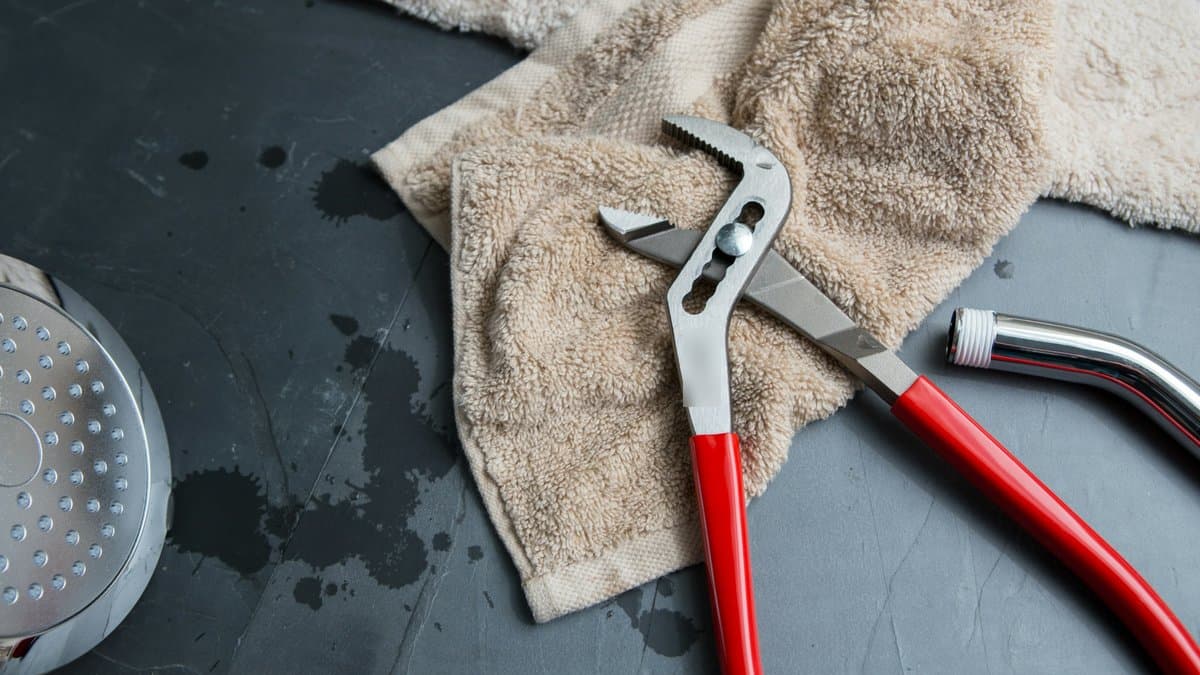
A maintenance emergency is a problem that puts people at risk or will badly damage the property if it waits until morning: a gas smell, fire or smoke, flooding, sewage backing up, no heat in freezing weather, a break-in or a medical emergency. Those need a person right away, and anyone who could be hurt should dial 911 first. Most other requests, from a dripping faucet to a light that's out, can wait for business hours.
Key takeaways
- Some problems are always emergencies: gas, fire or smoke, flooding, sewage, no heat in freezing weather, a break-in and a medical emergency.
- In between sit problems that are urgent but not dangerous, like no hot water or a shared entrance door that won't lock. Someone should hear about them tonight, but nobody has to be woken.
- A written after-hours policy tells residents what to call about, and gives whoever answers your phone the same rules to follow.
- Tenants submit an average of 3.3 maintenance requests per unit per year, so even a mid-sized portfolio sees a steady stream of requests, and some of them arrive after hours.
Which maintenance problems can't wait until morning?
These are emergencies at any hour:
- Gas: any smell of gas.
- Fire or smoke, including a smoke alarm that won't stop.
- Flooding: a burst pipe, water coming through a ceiling, a failed water heater.
- Sewage backing up into a unit.
- No heat in freezing weather. A furnace out on a mild night can wait; in a freeze it's a risk to people and pipes.
- A break-in, or a unit's own entry door that can't be locked.
- A medical emergency: anyone hurt or unwell.
For gas, fire, smoke or anyone hurt, the first call is 911, before anyone on your team. Your on-call person comes next.
You may want to add your own, such as a lockout or a power outage that affects a whole building. Write the list down, so nobody has to make the call at 2 AM from memory.
Which ones can?
Two kinds of problems can wait until the office opens.
Urgent, but not dangerous. No hot water, a fridge that stopped cooling, a shared entrance door that won't lock while each unit's own door still does. A resident is inconvenienced and someone should know tonight, so you can decide whether it needs a visit in the morning or sooner.
Routine. A dripping faucet, a light that's out, a scuffed wall, a slow drain. These go on the list for business hours.
Decide where your line sits for this middle group, and write it down. A fridge that stops cooling on a Friday night in summer means a weekend of spoiled food, and you may decide that's worth sending someone.
How do you write an after-hours emergency policy?
Keep it short enough to fit on one page, and write it for a resident reading it at night with water on the floor.
- List what counts as an emergency, in plain words: "water coming through a ceiling", not "active water intrusion".
- Say what to do first. For gas, fire, smoke or anyone hurt: leave if it's unsafe, and call 911. Then call the maintenance line.
- Give one number to call, the same day and night, so residents never have to work out which line is open.
- Say what happens next for each kind of problem: someone is called now, the office is told tonight, or it's handled when the office opens.
- Name who's on call and in what order, for your own team. If the first person doesn't answer, the policy says who's next.
- Share it at move-in, in the resident portal, and on the voicemail or answering service greeting.
The same policy is what you give your after-hours answering service. It's the rulebook it applies on every call.
What should happen when a tenant calls at 2 AM?
The call should be answered, the problem sorted against your policy, and the right thing done while the resident is still on the line.
With CoreReach's emergency answering service:
- Your agent answers right away and recognizes residents on file by their phone number, so it already knows their property and unit.
- If anyone could be hurt, it first tells the caller to dial 911.
- A true emergency goes to a person: your agent calls your emergency contacts one at a time, in the order you set, until someone picks up. If nobody answers, it takes a callback number and you get an email or text as soon as the call ends.
- Something urgent but not dangerous comes to you by email or text the moment the call ends, so you can decide how to respond.
- Anything that can wait is written up in your Inbox without an alert, for your team to pick up when the office opens.
Gas, fire or smoke, flooding, sewage, no heat in freezing weather, a break-in and a medical emergency are always treated as emergencies. You can add your own to that list.
Tenants submit an average of 3.3 maintenance requests per unit per year, according to Hemlane's analysis of more than 193,000 requests (opens in a new tab). At that rate a 100-unit portfolio would see about 330 requests a year (our estimate), and some of them will arrive at night.
Frequently asked questions
Is a lockout a maintenance emergency?
It can be. A resident locked out at night has nowhere to go, and CoreReach treats a lockout as an emergency that needs a person right away. Whatever you decide, say it in your policy.
Is no hot water an emergency?
Usually not on its own. It's urgent, and someone should know tonight, but it rarely puts anyone at risk. A water heater that's leaking is different: that's water damage, and it's an emergency.
Should residents call 911 or the maintenance line?
For gas, fire, smoke or anyone hurt, 911 comes first. Then the maintenance line, so your team knows what happened and can respond.
Can an answering service decide what's an emergency?
Yes, if you give it your rules. Your agent sorts each call against the urgency rules you set, the same way on every call, and you can add your own items to the always-an-emergency list.
What if nobody on call answers?
Your agent keeps working down your on-call list in the order you set. If nobody picks up, it takes a callback number and the full summary goes to you by email or text, so the emergency is waiting for you instead of lost in a voicemail box.